
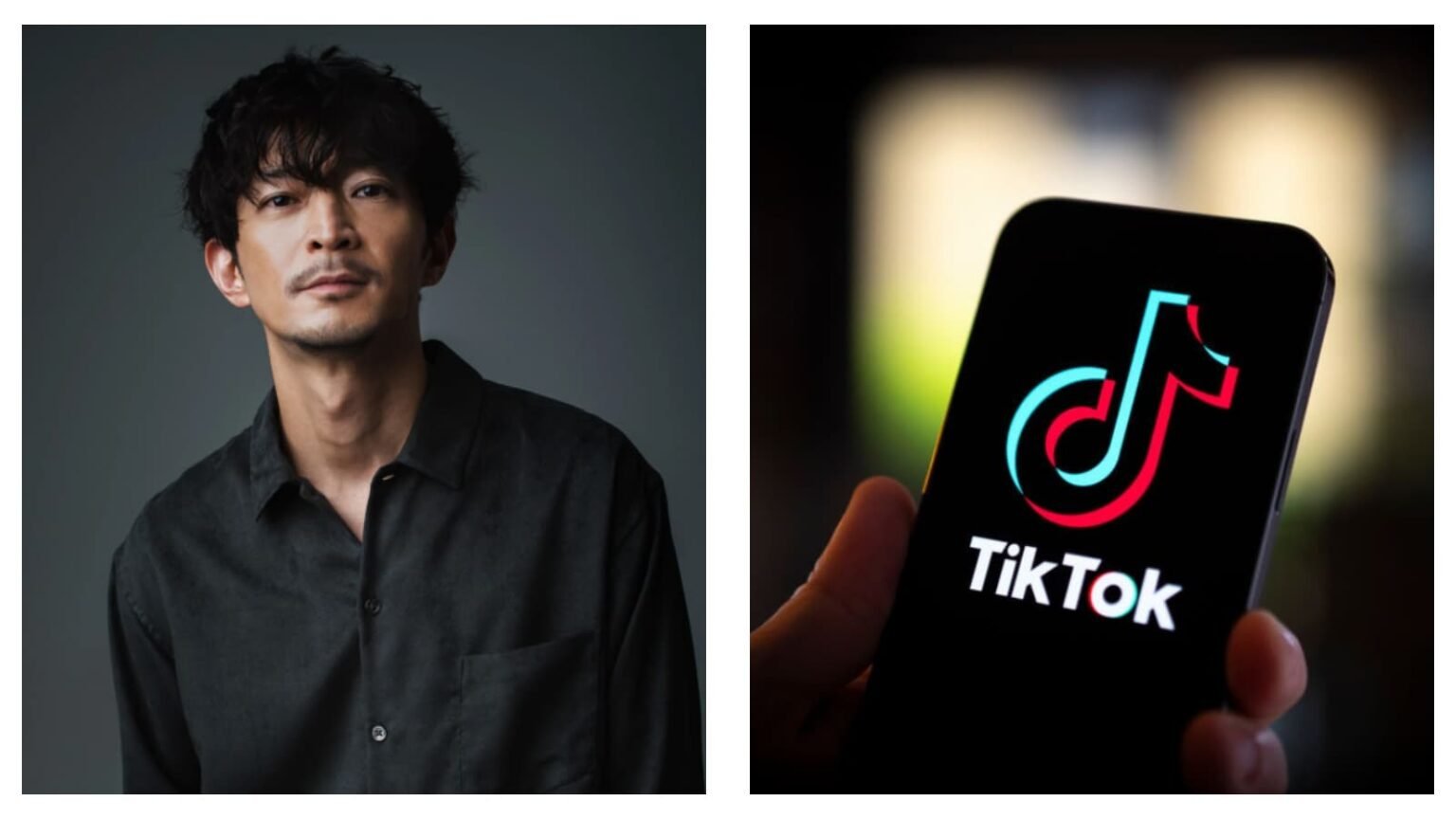
The Japanese voice actor behind Kento Nanami in the hit anime series Jujutsu Kaisen has sued TikTok over videos he says used an artificial intelligence–generated clone of his voice.
According to an Agence France-Presse report, the case is Japan’s first lawsuit seeking to protect an individual’s vocal identity.
Kenjiro Tsuda, 55, is demanding the removal of videos narrated by what he described as an AI imitation of his distinctive deep, “lustrous” voice.
Centre of complaint
An anonymous TikTok account, which used a profile image resembling Tsuda’s Jujutsu Kaisen character, uploaded videos about urban legends, conspiracy theories and occult phenomena narrated by what appeared to be an AI-generated version of his voice.
As per the legal complaint, the account has amassed more than 200,000 subscribers and possibly generates more than JPY500,000 (about $3,200) monthly.
Tsuda’s legal team argues that the account exploited his distinctive voice, and it “only gained popularity because its dubious, sordid content was narrated by the attractive voice of a popular actor”.
His attorneys added that the account infringed Tsuda’s “publicity rights”, which protect an individual’s ability to control and profit from the commercial use of their identity.
The case has drawn attention in the anime community, where voice actors are often as admired by fans as the characters they portray.
TikTok disputes claim
TikTok argued that the narration was merely a “generic male voice” and that any resemblance to Tsuda is subjective, according to court records that AFP accessed.
Tsuda, however, maintains that the distinctive baritone heard in the videos could only be his.
TikTok also challenged his claim that the account had capitalised on his reputation, questioning the actor’s “national fame” in relation to Japan’s unfair competition laws.
The platform said it merely provided “a forum where users could post creative and ingenious content within the scope of free speech”, AFP quoted.
Government weighs in
Japan’s justice ministry last month issued legally non-binding guidelines clarifying that a person’s voice is protected under existing rights despite no law explicitly recognising vocal identity.
The ministry said a voice, as “the symbol of one’s personality”, falls under “publicity rights” and rights against the unauthorised use of a person’s portrait or likeness.
It remains unclear whether the guidance will influence the case’s ruling on Wednesday.
The Japan Actors Union has thrown its support behind Tsuda, with executive director Yuko Sasaki saying an actor’s voice “is the result of years of rigorous training and apprenticeship”, AFP reported.
“It’s something we spend lots of time and money perfecting,” she added.

Actors push back
The lawsuit has likewise prompted a wider industry campaign against AI voice cloning.
Sasaki and fellow Japanese voice actors launched the ‘No More’ initiative, calling against the use of generative AI to imitate artists without their permission.
Bin Shimada, the voice behind Broly from Dragon Ball Z, warned that a victory for TikTok could undermine the industry and encourage unchecked AI voice cloning on social media.
Meanwhile, veteran voice actor Michihiro Ikemizu also backed Tsuda, saying AI, regardless of how advanced it becomes, cannot replace human performers.
“You need to constantly feel and adapt while performing your role. That’s something AI can never do,” the 83-year-old actor said.
READ NEXT: Discord agrees to co-operate with Philippine government as agency lifts ban