
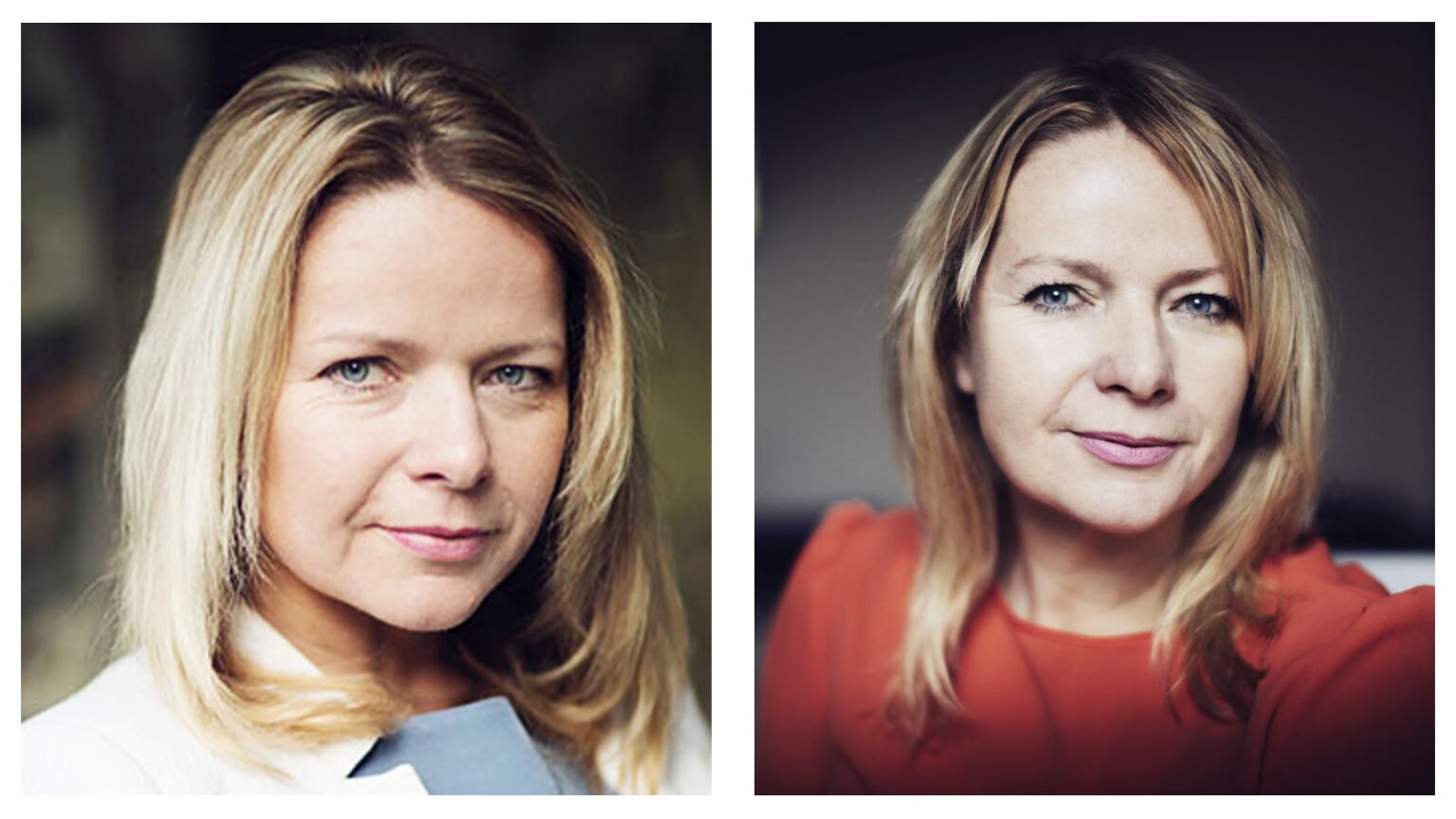
Susannah Streeter is a globally recognised financial commentator, international broadcaster and accomplished TV presenter.
She has more than two decades of experience anchoring flagship business news on BBC television and radio. Her career gives her a unique perspective on the relationship between media, financial markets and technology.
Her experience extends well beyond the newsroom.
Susannah also served as a Squadron Leader in the Royal Air Force Reserve and led combat camera operations around the world. She now works as Head of Money and Markets at Hargreaves Lansdown, where she provides daily insights for investors.
In this exclusive interview with The Champions Speakers Agency, Susannah discusses the rapid evolution of journalism and the impact of technology on broadcasting. She also explores effective digital communication and the challenges women continue to face in STEM and media.
Her career offers valuable lessons in resilience, adaptability and succeeding in a rapidly changing media landscape.
Q: You began your career as one of the UK’s first video journalists. How have you seen digital innovation reshape the media and broadcasting industry?
Susannah Streeter: “I started off as one of the country’s first video journalists at a cable TV channel called Channel 1 back in the mid-1990s.
“I used to carry around a huge Beta camera, a huge tripod, and a big rucksack full of lights and sound kit.
“Fast forward to now, we can literally film with our mobile phone cameras. We can create television programmes on Zoom even.
“It is incredible how much the media industry has changed, and I really do feel I have been there almost every step of the way.
“From those days when I was ridiculed by the cameramen of the day for turning up as a one-woman band, laden with kit saying, ‘I can do this job,’ while they’d be standing there, two or three of them doing the same thing.
“It certainly took time to be accepted, but now really anybody can be a cameraman or camerawoman these days with something as simple as their mobile phone in their pocket.”

Q: From your experience both on screen and in virtual events, what do you see as the key to truly effective communication with an audience?
Susannah Streeter: “The biggest key to effective communication is eye contact.
“Interestingly, what we’ve seen with the development of virtual events in 2020 is the ability for the speaker or presenter to communicate via eye contact direct to the audience, in a way in fact that they haven’t been able to up until now.
“Certainly in big conference halls you can have cameras, but a lot of the time you’re quite removed from the audience.
“Actually, in the virtual world, you can look directly into their eyes. I think that eye contact is the number one priority.”
Her experience highlights how digital platforms have changed the relationship between presenters and audiences. Virtual events can create a more direct connection, even when people are miles apart.
Q: The media and tech industries still face questions of representation. Do you think women continue to face barriers entering STEM-related fields, and how can this be addressed?
Susannah Streeter: “I still think it is more difficult for women to break into STEM industries. It’s all to do with networks.
“If you are able to jump into the right network, know somebody who can get you that vital experience to get that first step on the ladder, you’re sorted.
“But unfortunately, if you don’t know that person, you don’t have that connection, it is harder.
“It also starts from a younger age. I know that schools in particular are really encouraging more women, more girls, to get into STEM subjects.
“It even starts at preschool age. There have been some remarkable initiatives, such as the range of books called ‘My Mummy is a Soldier’ or ‘My Mummy is a Fireman,’ to show that actually it isn’t just a job for a man.
“All of these different roles that are out there have predominantly been male-dominated until now.
“So it’s a whole range of action that needs to be taken. Women who are currently within those careers are already giving a helping hand to other women who want to get involved.
“I also think it’s got to be individual. You have to say, ‘Well, I really fancy getting involved in that, let’s just go for it.’
“Looking back, throughout my career I have on numerous occasions entered into what was perceived to be a man’s world.
“Whether it be the Royal Air Force, where I was a reserve, or the BBC business unit, when I was in a minority of women, or now as a senior investment analyst for Hargreaves Lansdown.
“Again, an industry which has been dominated by men. You can break through. I think I’m evidence of that.”
Susannah’s own career reflects that message. She has worked across broadcasting, the Royal Air Force and financial services, areas that have traditionally had strong male representation.

Q: Looking ahead, what advice would you give media companies seeking to build innovative, future-focused teams?
Susannah Streeter: “We hear a lot about how businesses need to be more sustainable.
“They have to have ESG really at the front of their awareness, because actually they want to get investment in the future. That will be key.
“Now, how do you do that? I think it’s really from the bottom up. Everything from the building that you are sitting in or standing in or hoping to go back to work in, right through to the ethics and the supply chain, making sure that every step of the way you really have your employees at heart.
“I think as well, listen to your workforce.
“There are so many great ideas out there, but I think sometimes they get lost. People lower down the food chain aren’t encouraged to put their suggestions to higher management.
“Actually, I think it’s really just being open, having those conversations, and opening up those channels of communication.
“So if employees see that there is something that can be done more sustainably, they’re given a chance to speak out.”
For Susannah, strong leadership starts with communication. She believes companies should listen to employees at every level and give them opportunities to share ideas.
She also highlights sustainability and ESG as important factors for businesses seeking future investment. In her view, companies should consider sustainability across their operations, supply chains and workplace culture.
A career built on adaptability
Susannah Streeter’s career shows how quickly the media industry has changed.
She began working with large cameras and traditional broadcasting equipment. Today, journalists can produce professional video content with a smartphone.
Technology has transformed how journalists gather, create and distribute stories. However, Susannah’s experience also shows that strong communication skills remain essential.
Her advice on digital communication, workplace diversity and sustainability offers useful lessons for modern media organisations. As technology continues to reshape journalism, adaptability and human connection will remain crucial.
This exclusive interview with Susannah Streeter was conducted by Megan Lupton of The Motivational Speakers Agency.
READ NEXT: Hunted’s Ben Owen: Former intelligence officer on building cyber resilience