

Major sports tournaments attract huge audiences to betting platforms. However, that does not mean every casino product sees record traffic.
Public data shows a strong link between major events and sportsbook activity. However, the data does not prove that live blackjack tables always set traffic records during these periods.
The stronger story focuses on opportunity. Large numbers of users become active around major matches. As a result, live casino products can gain more visibility.
This can happen before kickoff, during breaks and after the final whistle.
Why Major Tournaments Create High-Intent Traffic Peaks
Big sporting events bring more users into sportsbook environments at the same time. This creates a larger audience for other products.
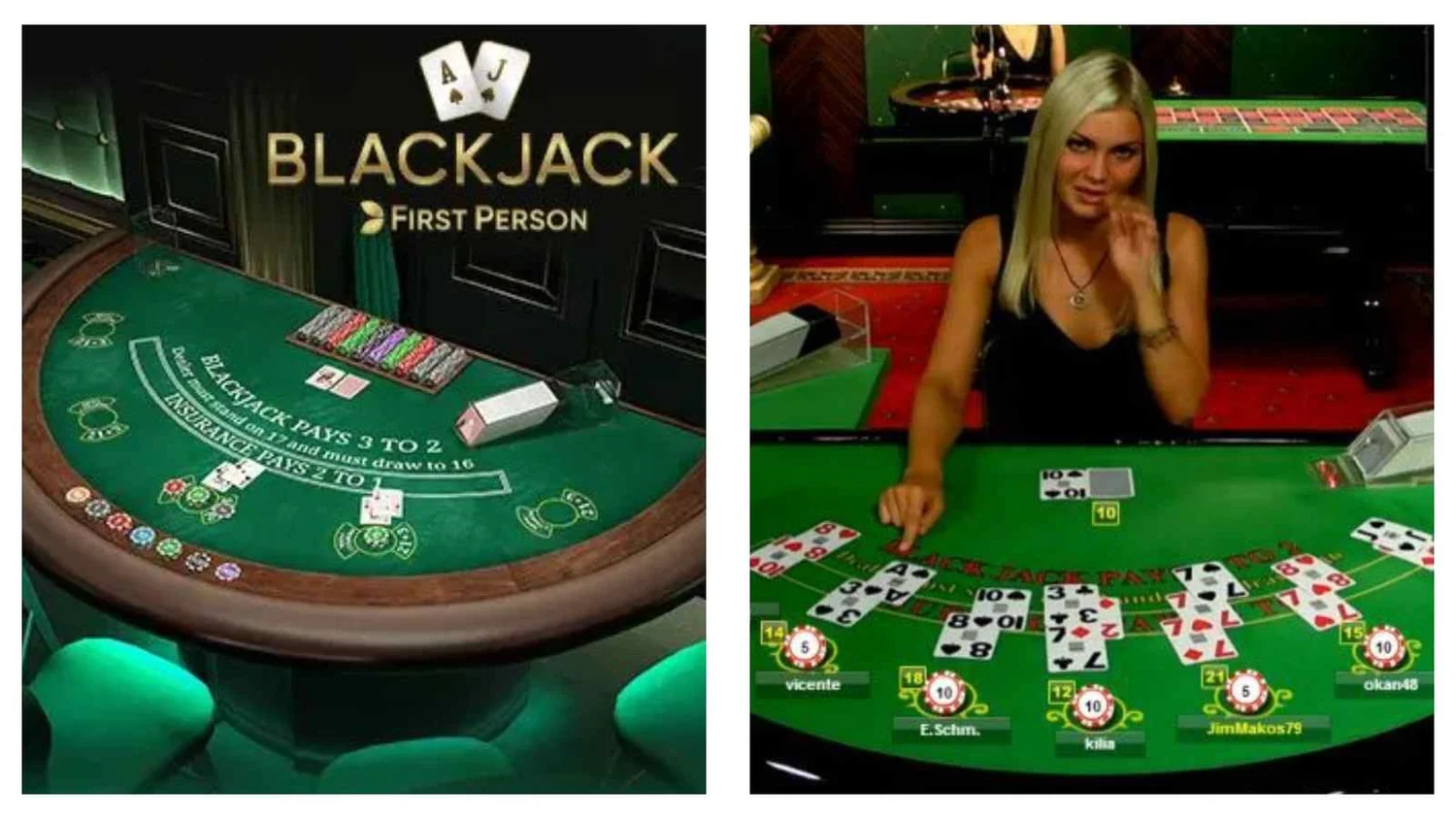
For example, users may see live blackjack while checking football, basketball or hockey markets.
However, public data does not show what happens next. Extra impressions may lead to more blackjack sessions. They may also have little effect on actual play.
The term “traffic” also needs a clear definition. It can mean visits, logins, sessions or unique players.
It can also mean time spent, wagers or players at a table.
Therefore, publishers should define the metric before making a record claim.
A rise in page views does not prove higher table occupancy. Likewise, higher casino wagering does not show that blackjack gained more users than roulette or slots.
How Sportsbook Traffic Can Spill Over Into Live Casino
The strongest case for tournament-driven blackjack activity is not that sports bettors suddenly switch products en masse.
It is that tournament schedules create identifiable windows when casino products can appear alongside sport: before a match, during halftime or once play has ended.
Live-dealer games also share some characteristics with sports coverage, including real-time action and a continuous video feed.
That crossover is visible in the way some Canadian-facing platforms are structured.
ToonieBet, for instance, serves Canadian players outside Ontario through a platform that combines a broad sportsbook, live betting and a large live-dealer lobby.
Sports such as football, hockey, basketball and soccer sit within the same account environment as live casino.
That setup makes movement between products technically straightforward during a tournament, although it provides no evidence by itself that users actually migrate to blackjack in large numbers.
Someone checking live odds may ignore the casino section, open a table briefly or return only after the match. Each behaviour produces a different traffic pattern.
Cross-sell around emotionally charged sporting events also raises responsible-gambling concerns.
Marketing should not imply guaranteed wins, target self-excluded users or exploit signs of harm.
Gambling should be treated as paid entertainment, with deposit and time limits used where available.
Anyone finding it difficult to control their play should step away and use self-exclusion or other support tools.
Ontario’s Data Show Casino Growth, but Not a Blackjack Surge
Ontario provides the clearest public view of regulated iGaming in Canada.
In FY 2024–25, the market recorded CAD 82.7 billion in total wagers and CAD 3.2 billion in gaming revenue, with casino accounting for CAD 69.6 billion in wagers.
Those figures establish scale, but they do not break activity down by live casino, game provider, blackjack table or sports-event window.
July 2026 shows why causation needs restraint.
Ontario’s regulated market reportedly reached about CAD 9.88 billion in wagers that month, while casino activity rose and sports-betting handle fell from June.
The period overlapped with the FIFA World Cup, but no public dataset links the casino increase to the tournament, much less to live blackjack.
Why Tournament Traffic Does Not Always Benefit Casino
Evidence also points in the opposite direction. During major football competitions, attention can move toward match viewing and sports betting rather than lift every gambling category at once.
The effect is likely to vary by sport, kickoff time, local interest, product placement, marketing intensity and the operator’s existing player mix.
More sportsbook users therefore create a larger reachable audience, not an automatic blackjack audience.
Even within casino, traffic can shift according to table availability, minimum stakes and how prominently particular games are displayed.
What Would Actually Prove a Record Live-Blackjack Effect
Researchers would need live-blackjack sessions, unique players, peak concurrent users, table occupancy, session duration and wager volume measured against matched non-tournament periods.
The analysis would also need to control for day of week, marketing intensity, holidays, product changes and competing events.
In closing, major tournaments can create unusually strong conditions for live-blackjack discovery and cross-sell, but public evidence does not show that they reliably produce record traffic. Until table-level data are disclosed, that remains a hypothesis.
READ NEXT: ITV horse racing tips and best bets for Doncaster, Chester and Leopardstown on Saturday, September 12